







Search Results for: coffee price dispute

NetEase Launches Blizzard Green Tea Coffee in Response to Blizzard Contract Renewal Dispute, 13 Yuan Pricing Sparks Heated Debate
Recently, the agency agreement dispute between Blizzard and NetEase has become a hot topic. After Blizzard proposed conditions including a six-month renewal, NetEase responded with a tough stance and launched a 13-yuan "Blizzard Green Tea" at its campus café, which was quickly embraced by employees. Subsequently, new items such as "Blizzard Has No Heart" were introduced, and creative dish names with plenty of innuendo appeared on the menu. Behind this business game, coffee unexpectedly became a vehicle for expressing attitudes. This article takes you through the whole incident and lets you savor the distinctive flavor of this cup of "Blizzard Green Tea." [more…]
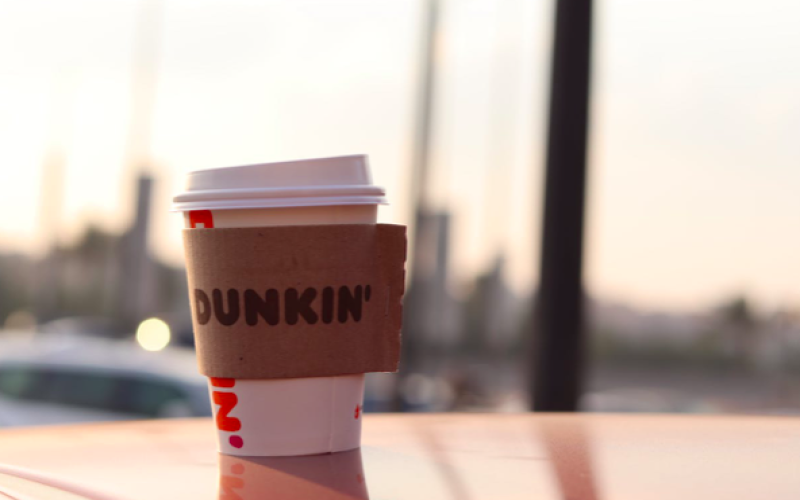
Dunkin faces class action lawsuit over surcharge on non-dairy drinks as pricing disputes continue to simmer in the US coffee industry
For coffee lovers who are lactose intolerant or allergic to dairy, plant-based alternatives such as oat milk and almond milk allow them to enjoy lattes without worry. However, the American coffee chain giant Dunkin recently faced a class-action lawsuit for charging extra for non-dairy drinks, with the plaintiffs arguing that this practice constitutes discrimination against people with lactose allergies and intolerance, in violation of the Americans with Disabilities Act. This is not the first time the U.S. coffee industry has faced legal disputes over plant-based milk pricing; Starbucks has also previously faced similar allegations. This article will review the course of events, the legal basis, and industry reactions, and explore the cost and fairness issues behind the controversy over non-dairy drink pricing. [more…]

Luckin Coffee files appeal in the 560 million yuan repurchase payment case, demanding Shenzhou Ucar bear the shortfall top-up liability.
There has been a new development in the trust dispute case between Luckin Coffee (China) Co., Ltd. and Yousheng (Tianjin) Technology Development Co., Ltd., Yousheng Chengyi (Tianjin) Information Technology Co., Ltd., and Shenzhou Ucar Co., Ltd. Dissatisfied with the first-instance civil judgment, Luckin Coffee has filed an appeal with the court. The case involves a repurchase price of over 560 million yuan plus interest, and the focal point of the dispute is whether Shenzhou Ucar should bear the shortfall top-up liability. This article will sort out the background of the case, the first-instance judgment, and Luckin Coffee's appeal requests to help readers understand this closely watched commercial dispute. Follow Coffee Workshop and Front Street Coffee for more professional coffee industry news. [more…]
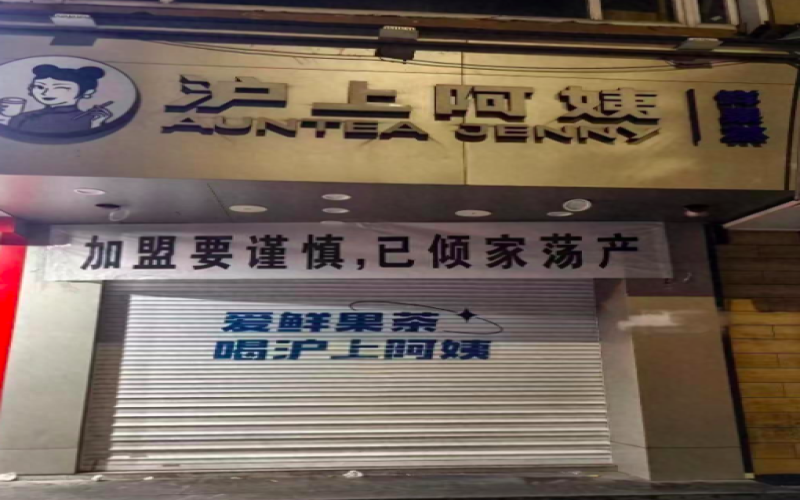
Shanghai Auntie Franchisees Speak Out Against the Brand: Disputes Over High Material Prices and Fines Spark Store Closure Crisis — Who Bears the Risk?
Recently, Southern Metropolis Daily reported that a banner reading "Be cautious about franchising, I've lost everything" appeared in front of an Auntea Jenny franchise store in Ningbo, Zhejiang, quickly sparking public attention. The franchisee claimed that they were heavily fined by the company for purchasing materials from outside sources, and subsequently three stores were unilaterally closed; the brand responded that the closures were mainly due to poor management and had no direct connection to the brand. Both sides stick to their own accounts, and behind the incident lie deep-seated contradictions in the franchise model regarding material pricing, penalty mechanisms, and store subsidies. This article sorts out the sequence of events, presents both sides' statements and industry observations, for the reference of coffee and tea beverage practitioners. [more…]
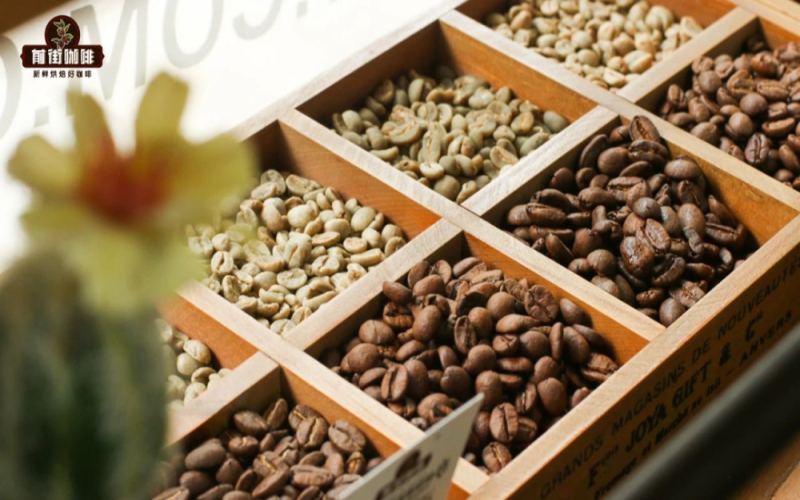
The Starbucks vs. Ethiopia Coffee Trademark Dispute and a Full Analysis of the Five Yirgacheffe Cooperatives
Ethiopia is the birthplace of coffee and the largest coffee-producing country in Africa. Starbucks was once embroiled in a years-long dispute with the Ethiopian government over the trademark rights to the names of three origins—Sidamo, Harar, and Yirgacheffe—which was finally settled with a signed agreement in 2007. Meanwhile, outstanding cooperatives such as Gedeb, Konga, Worka, Halo Beriti, and Idido have emerged in the Yirgacheffe region, showcasing classic flavors of citrus, floral notes, and honey through washed, natural, and anaerobic processing methods. Front Street Coffee has selected a range of Ethiopian staple beans that balance origin distinctiveness with high value for money, taking you deeper into the story of coffee's homeland. [more…]
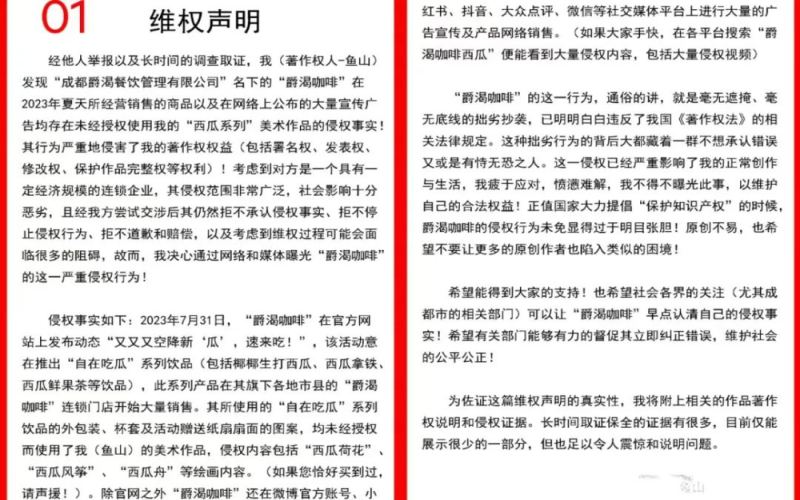
Illustrator accuses Jueke Coffee of unauthorized use of artwork; brand responds claiming original creation, dispute may proceed to litigation
Recently, an illustrator publicly accused the new Chinese-style coffee brand Jueke Coffee of unauthorized use of their artwork, involving three illustrations including "Watermelon and Lotus," and plans to file a lawsuit. Jueke Coffee responded that the packaging design is original, there is no infringement, and refused to apologize or pay compensation. Both sides hold their own views, and the incident has sparked widespread attention. This article reviews the course of the incident, the positions of both parties, and netizen reactions, and includes relevant recommendations from Front Street Coffee. [more…]
Ethiopian Coffee Bean Origin Story and the Starbucks Trademark Dispute, Plus a Look at Front Street Yirgacheffe Flavor Characteristics
Ethiopia is renowned as the birthplace of coffee. With its high altitude and favorable climate, it produces Arabica coffee beans of outstanding quality, which has also attracted the attention of international brands such as Starbucks. From the perspective of Front Street Coffee, this article will review Ethiopia's coffee growing distribution, variety composition, and processing methods, revisit the trademark dispute between Starbucks and the Ethiopian government over the three origin names Sidamo, Harar, and Yirgacheffe, and introduce the taste differences between Front Street's washed and natural Yirgacheffe as well as brewing suggestions, helping coffee enthusiasts gain a more comprehensive understanding of this coffee homeland. [more…]
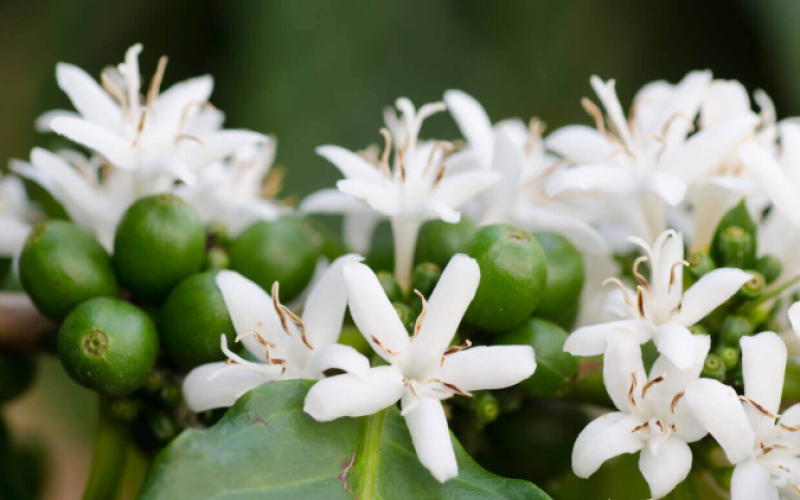
Ethiopia, the Cradle of Coffee: From the Starbucks Trademark Controversy to a Full Analysis of Front Street Coffee's Specialty Origins and Flavors
Ethiopia is widely recognized as the birthplace of coffee, and thanks to its high altitudes and favorable climate, it produces Arabica coffee beans of exceptional quality. Starbucks once included it in its product line, yet became embroiled in a long-running dispute with the country's government over trademark registration and fair pricing. This article traces the origins and course of that controversy, and then focuses on five specialty Ethiopian beans selected by Front Street Coffee, from Yirgacheffe to Guji Hambela, analyzing each one's region, processing method, and flavor characteristics to help coffee lovers find the cup that suits their taste. [more…]
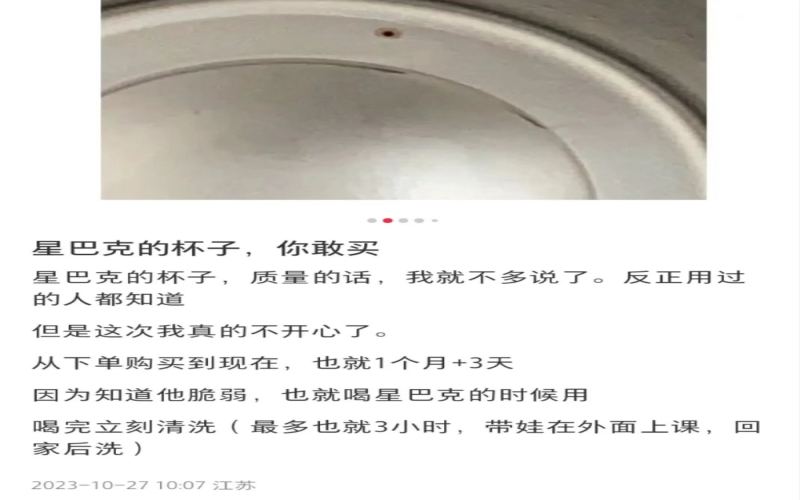
Rust Spots Found in Starbucks Stainless Steel Insulated Tumbler's Interior Spark Quality Controversy, Drawing Attention to Consumer After-Sales Rights Protection
It is no longer news that chain coffee brands sell merchandise. Products such as cups, pins, and canvas bags can not only increase revenue but also cultivate fan loyalty. However, once merchandise has quality problems, after-sales disputes follow one after another. Recently, a netizen posted that the bottom of the inner liner of a stainless steel insulated cup they bought from Starbucks had black rust spots, and when they asked the official side for a replacement, they were refused on the grounds that it was "beyond the after-sales time limit." The post resonated with a large number of consumers. Some complained that quality control was worrying, while others believed that the way it was used might be the key. Three days after the incident gained traction, the blogger updated the progress, saying that Starbucks had agreed to replace it. Who is actually responsible in this dispute? And how should brands balance the appearance and quality of merchandise? [more…]
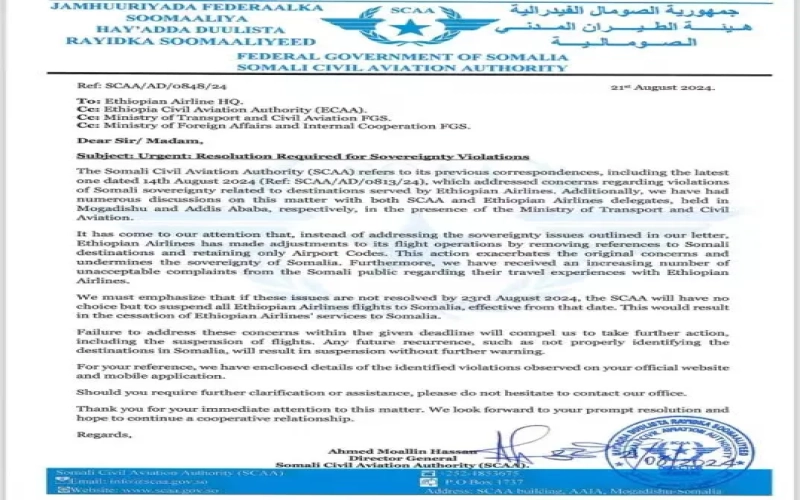
Somalia Halts Ethiopian Airlines Flights Over Sovereignty Dispute, East African Tensions Affect Coffee Exports
Somalia's civil aviation authority demanded that Ethiopian Airlines make corrections within a deadline on the grounds that the words "Somaliland" appeared on the airline's official website. After being refused, it suspended all Ethiopian flights on August 23. The root of this matter lies in the memorandum of understanding signed between Ethiopia and Somaliland on the use of a port, which has led to continued tension between Somalia and Ethiopia. At the same time, Eritrea also suspended Ethiopian flights, and the peace talks mediated by Turkey have been hindered. Ethiopia's exports of agricultural products such as coffee are highly dependent on neighboring countries' ports. Now that the Port of Djibouti is affected by the Red Sea crisis, and Ethiopia cannot use routes through Somalia and Eritrea, the outlook is worrying. [more…]

Customer Accidentally Breaks Purple Clay Teapot Lid, Asked to Compensate Over 900 Yuan; Netizens Debate Whether Compensation Standard Is Reasonable
Drinking coffee in a café is supposed to be a relaxing and pleasant affair, but if you accidentally damage a display piece in the shop, it can trigger a headache-inducing compensation dispute. Recently, a customer in a café accidentally broke the lid of a Yixing clay teapot priced at 3,980 yuan, and ultimately compensated 926.5 yuan, half of the wholesale price. After the incident came to light, netizens engaged in a heated discussion over whether the compensation amount was reasonable and whether the shop should present purchase receipts. Why is it so hard to find a matching lid for a handmade Yixing clay teapot? How should responsibility be divided between the customer and the shop? This article will walk you through the incident and the various viewpoints, and explore how fragile utensils should be displayed and used in coffee spaces. [more…]
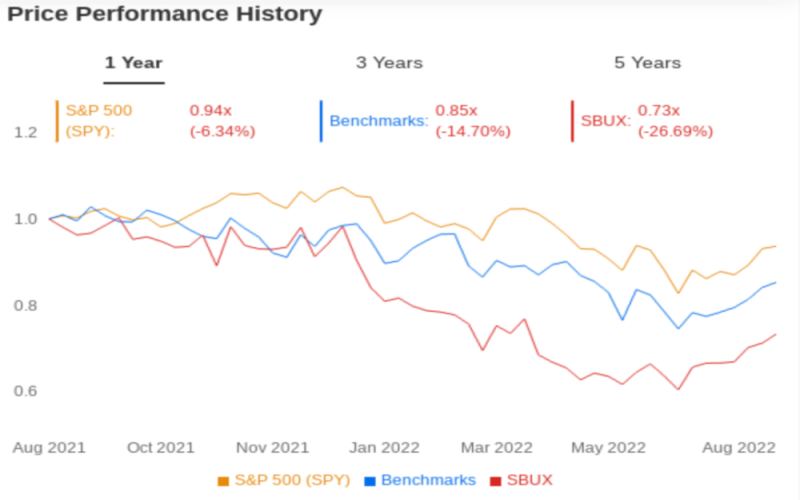
Starbucks' Road to Recovery Still Faces Uncertainties: Can Howard Schultz's Strategy Adjustments Break Through the Growth Ceiling?
Starbucks has experienced considerable turbulence this year. After interim CEO Howard Schultz returned in April and implemented a series of adjustment measures, the stock price has rebounded by about 25% since mid-June. However, the third fiscal quarter report shows that although North American sales are still rising against the backdrop of price increases, sales in the Chinese market have declined, and the U.S. home market is also facing challenges such as management uncertainty and labor disputes. Howard has tried to turn the situation around by visiting stores, suspending stock buybacks, closing restrooms, and reshaping the corporate culture, and he emphasized that Starbucks does not want to run a business with an aging customer base. Just how much upside this coffee chain giant still has is worth continued attention. [more…]
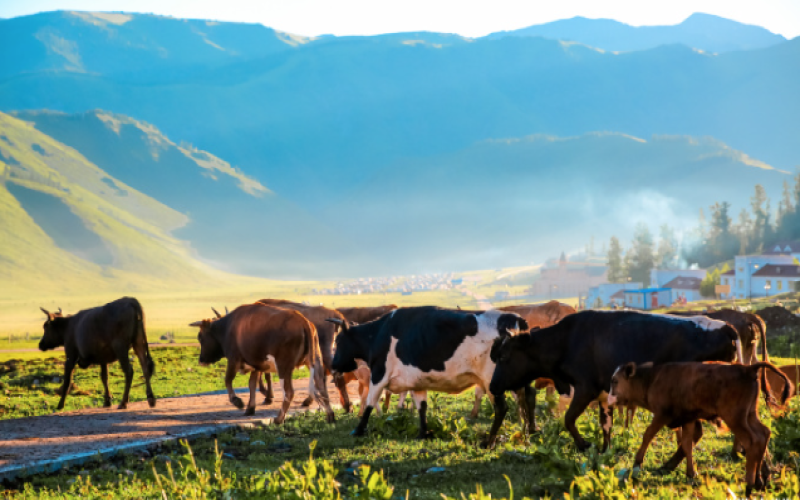
Shanghai Auntie's "My Altay" Collaboration Merchandise Controversy: A Full Record of Store Stockouts, Wrong Cards, and Pickup Disputes
After the TV drama To the Wonder became a hit, the grassland scenery and herder life of Altay, Xinjiang, moved countless viewers, and this "Altay fever" has swept into the new-style tea beverage sector. Under the name of its "Free Matcha" series, Auntea Jenny launched a tie-in with To the Wonder, including long-scroll painting cup sleeves, takeout paper bags, collaborative lenticular card sets, and student film cards, attracting a large number of consumers to snap them up. However, problems emerged on the very first day of the campaign: some stores stocked only 10 pieces of merchandise, takeout orders included the wrong cards, and when customers arrived at stores to pick up their orders, staff took back the student cards in person... Consumers complained endlessly, and customer service apologized everywhere. As observers of the coffee and tea beverage industry, Front Street Coffee also noticed the supply chain and store execution problems behind this collaboration. This article will provide a complete review of the incident and present feedback from all sides. [more…]
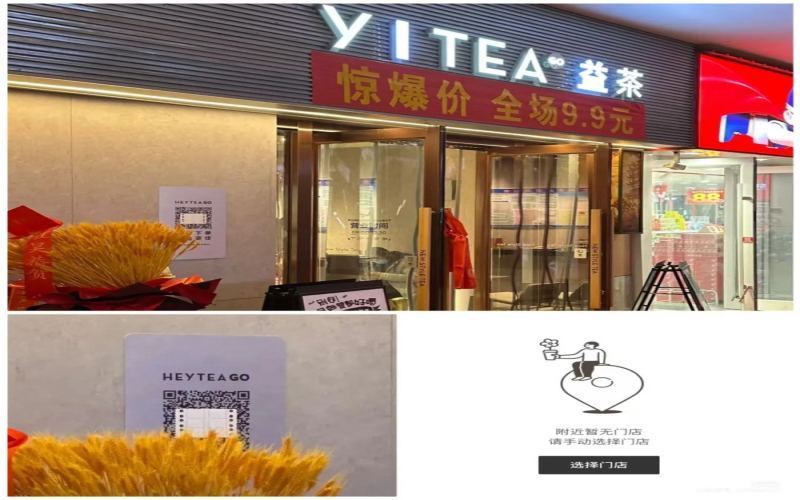
Zhangye Heytea store mysteriously becomes "Yicha": the fridge magnet controversy behind a franchise dispute
After the renovation of Heytea's Ganzhou Market store in Zhangye, Gansu was completed, the sign was quietly changed to "Yicha," and the QR code for Heytea's mini-program was still posted at the entrance, but the store's information could no longer be found through official channels. From the buzz of check-in photos sparked by the opening of the first store, to the second store remaining unopened for a long time after hoarding was put up, and then to both stores disappearing from the official mini-program, this series of changes was actually related to the rules for distributing city-limited fridge magnets. Now the "Yicha" reopened at the original site has no connection to Heytea officially, and its font has even been questioned by netizens as infringing. Local consumers' expectations were dashed, and they still hope the brand can re-enter Zhangye. [more…]
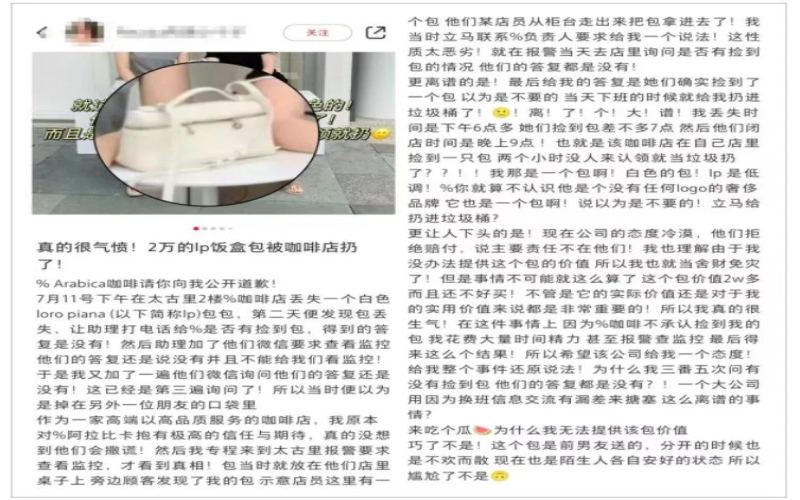
Customer's handbag worth 20,000 yuan left behind and thrown away as trash by coffee shop; store refuses to compensate, sparking dispute over liability
Recently, a netizen posted on social media about an incident in which they left their handbag behind while taking photos at a %Arabica store in a shopping mall. According to their account, the bag was found by other customers and handed to the staff for temporary safekeeping at the bar counter, but two hours later it was disposed of as trash by the employee on duty. Because the person could not provide proof of purchase or proof of the item's value, the store refused to review the surveillance footage and refused compensation. After the incident came to light, netizens engaged in heated discussion over whether lost items found by passersby should be kept by the coffee shop and whether the staff's handling was appropriate. Front Street Coffee will also continue to follow issues of property safety in such consumer settings. [more…]

A handmade wood-fired clay pot was smashed, and the customer left without compensating—how should a coffee shop owner handle this rationally?
Recently, a coffee shop owner ran into a frustrating situation: after a customer accidentally broke a handmade wood-fired pot in the shop, the customer not only refused to pay for it but also tried to quietly drive away. The owner offered a discounted compensation plan of a few hundred yuan, but the customer accused the shop of extortion. The incident sparked heated discussion online: should coffee shops use expensive vessels? How much responsibility should consumers bear for unintentional damage? This article sorts out the course of events, the views of all parties, and explores reasonable ways to resolve similar disputes. [more…]
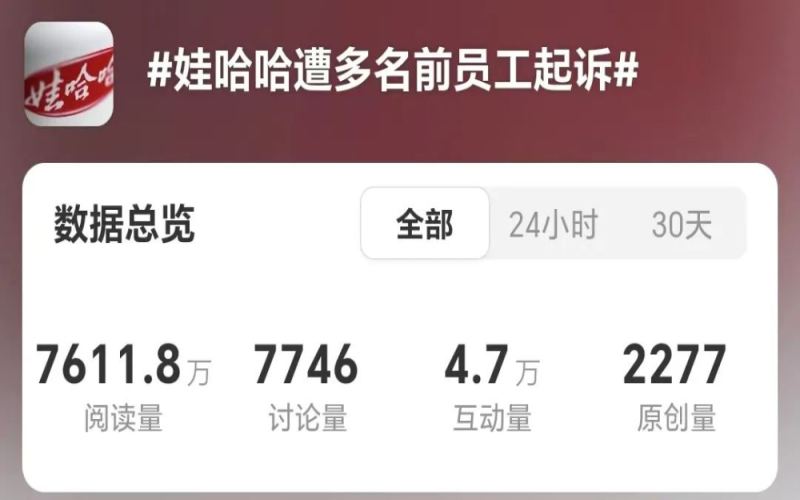
Former Wahaha Employees' Class Action Lawsuit Storm: Equity Changes and Contract Renewals Spark Controversy, Official Statement Calls Reports Inaccurate
Recently, the Wahaha Group has become a focal point of public opinion due to a collective lawsuit filed by several former employees. According to reports, since August, some employees have been required to terminate their contracts with the Wahaha Group and instead sign with Hongsheng Beverage Group, which is controlled by Zong Fuli, resulting in the cancellation of their original bonus dividend benefits. At the same time, the equity of Hangzhou Xiaoshan Shunfa Food Packaging Co., Ltd. was transferred to Zong Fuli's personal name for zero yuan, raising concerns among employees about investment returns. In response, Wahaha recently issued a statement claiming that some media reports are severely inaccurate, that the union has not received litigation information from the so-called rights protection committee, and that the equity repurchase and transfer are legal and valid. However, the statement did not mention key details such as the re-signing of contracts and the zero-yuan transfer, and many questions remain about the incident. [more…]
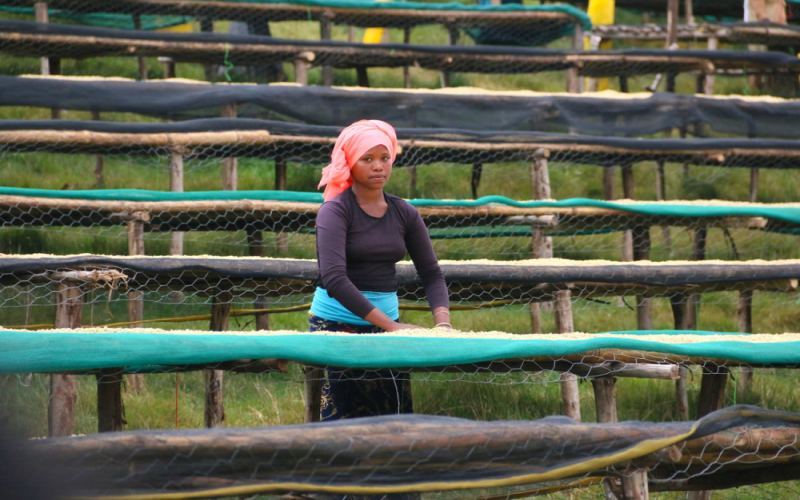
The Ethiopian Coffee Trademark Dispute and a Full Analysis of the Nine Major Producing Regions: The Development Trajectory from Front Street Yirgacheffe to Huakui
Ethiopia is Africa's largest coffee-producing country and one of the birthplaces of specialty coffee. This article begins with the trademark lawsuit between Ethiopia and Starbucks, reviews the country's journey to secure rights for coffee farmers, and then systematically outlines the cultivation systems, flavor characteristics, and evolution of processing methods across Ethiopia's nine major coffee-producing regions. Drawing on Front Street Coffee's cupping and roasting experience, it provides a detailed introduction to representative products such as Front Street Yirgacheffe and Front Street Natural Huakui, and analyzes the logic of flavor changes behind the Red Cherry Project, the ECX grading system, and the successive iterations of Huakui, offering coffee lovers a regional guide that combines historical context with practical information. [more…]
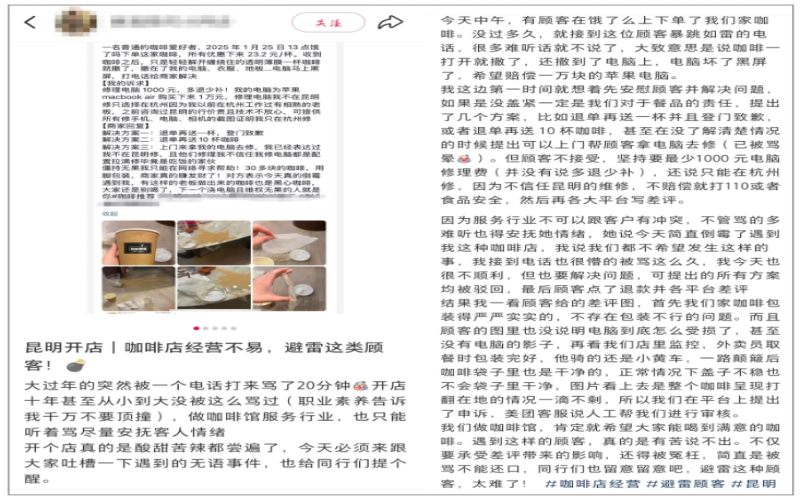
Delivery coffee spill damages computer, claim for 10,000 yuan? Shop reviews surveillance to prove packaging was secure.
A cup of takeaway coffee sparked a dispute over ten thousand yuan in compensation, landing a coffee shop in an agonizing predicament. The customer claimed that after opening the coffee, it spilled onto a laptop, causing the screen to go black, and demanded ten thousand yuan in compensation from the shop, while leaving negative reviews on major platforms. After reviewing its own surveillance footage, the shop confirmed that there were no issues with the packaging or sealing of the order, and the photos provided by the customer also showed that the inside of the takeaway bag was perfectly clean. Who should be held responsible in this dispute? How should businesses respond to such complaints? This article will recount the sequence of events, present the perspectives of the shop, the customer, and netizens, and explore how businesses in the service industry can reasonably protect their own rights and interests. [more…]

Häagen-Dazs store coffee menu price and checkout price don't match; store responds that takeaway pricing is different.
Professional coffee knowledge exchange For more coffee bean information, please follow Coffee Workshop (WeChat public account: cafe_style) For more specialty coffee beans, please add the personal WeChat of Front Street Coffee, WeChat ID: qjcoffeex Recently, a consumer reported that a Häagen-Dazs store in Suzhou listed espresso at 20 yuan on its menu but actually charged 23 yuan at checkout. The store explained that there is a price difference between dine-in and takeout, but the menu title clearly states "Takeout Beverage Menu" and shows only one price without indicating that takeout incurs an extra charge, making this explanation hard to believe. Since opening the world's first coffee store in Shanghai in 2014, Häagen-Dazs has continued to expand in China's coffee market, and its total number of stores has now reached 482. In addition to this pricing dispute, the brand was previously reported by the EU over food safety issues. [more…]